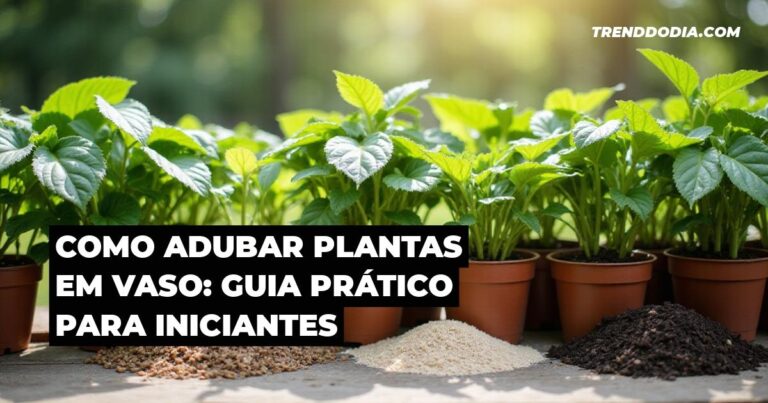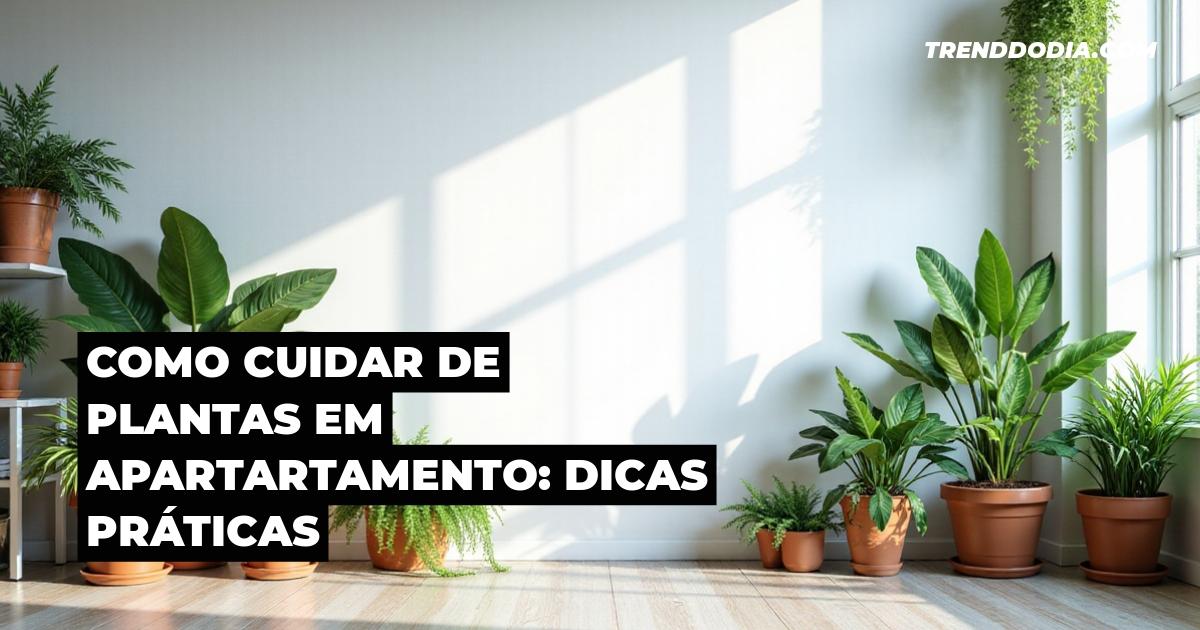
Para manter suas plantas de apartamento saudáveis, é fundamental prestar atenção a cinco aspectos principais: selecionar as espécies apropriadas, encontrar a posição ideal com luz suficiente, realizar a rega correta, usar um vaso com substrato de qualidade e boa drenagem, e ainda tomar medidas para prevenir pragas comuns em ambientes internos.
Many people kill plants through over-care, not lack of care. Small adjustments to your routine can make your plants last for years. Take a look, let's see step by step how to create this green corner even in a small apartment and with little time.
What are the best plants for an apartment?
Choosing plants that are suitable for your space is the first step to caring for plants in an apartment without frustration. If you live in a small place, opt for hardy plants that don't grow too large. Avoid those that need a large garden, as they adapt poorly to the air conditioning common in buildings.
Therefore, easy-to-care-for plants keep the environment green without demanding constant attention. For example, in São Paulo, residents of studio apartments prefer pothos on the balcony, peace lilies on the living room table, and succulents near the street-facing window. This combination grows slowly and tolerates the dry air typical of large cities.
However, the Brazilian market for flowers and ornamental plants generated around R$10 billion in 2024, reflecting a boom in interest in greenery for the home. This makes it easier to find affordable varieties in local garden centers. This statistic shows how many Brazilians are looking for practical options for apartments, so it's worth researching nearby stores to buy healthy seedlings.
Low-maintenance plants for beginners
If you're a beginner, start with plants that forgive basic mistakes, like the zebra plant (sansevieria), which survives with little water and low light. They make learning gradual, allowing you to familiarize yourself with the basics without killing anything right away.
In these cases, zebra plants and aloe vera are ideal, as they adapt to varied conditions and don't complain if you delay watering them. Over time, this simple choice builds confidence to add more varieties to your green space.
Plants for low light and for well-lit windows
For rooms with small windows, opt for shade-loving plants, such as ferns or snake plants. They thrive in filtered light, perfect for apartments on narrow streets.
On the other hand, if your apartment has large windows, go for basil in the kitchen, as it loves direct sunlight. This diversity allows you to distribute the plants according to the environment of your space, making daily care easier.
| Plant Type | Necessary Light | Watering Frequency |
|---|---|---|
| Boa constrictor | Indirect lighting | Once a week |
| Peace lily | Medium light | twice a week |
| Succulent | Direct light | Once every 15 days |
| Fern | Low beam | 3 times a week |
| Zebra | Indirect or low light | Once every 10 days |
Light, location, and temperature: where to place each plant.
Where you place plants directly influences their health in an apartment, as adequate light is essential. Look for windows facing east or west, as they offer gentle mornings or intense afternoon light, preventing sunburn.
In this way, position expensive foliage plants for indirect sunlight and flowers on warm windowsills. In Recife, for example, residents place peace lilies 1 meter from east-facing windows with light curtains, basil on the south-facing windowsill, and hanging ferns near well-ventilated service areas. This arrangement prevents common problems such as yellowing leaves.
However, indoor environments require attention to temperature, generally between 15ºC and 25ºC. For those who want to learn more about plant pots, consult [link/reference]. Mastering Container GardeningThis guide details how to use containers to optimize light and ventilation in confined spaces.
How to tell if a place has enough light
To check the light, use your cell phone as a sensor: take a picture and see if the details are clear. If so, it's adequate light for most plants.
In these cases, test it for a few weeks and move the plants if necessary. Simple tools like this help you adapt without spending a lot.
The impact of air conditioning and your city's climate.
Air conditioning dries the air, so spray water on plants to compensate for the low humidity, common in São Paulo or Rio. This practice prevents leaves from drying out.
In cold cities like Curitiba, protect your plants from cold drafts by using screens on the windows. This will help them stay more stable during the Brazilian winter.
How to water plants in an apartment without overwatering?
Watering plants in an apartment requires moderation, as excess water drowns the roots and causes disease. Wait for the top of the soil to dry out before watering again.
For example, in Brasília, residents have established a clear routine: succulents once a week, medium-sized foliage twice a week, and peace lilies three times a week, always testing with their finger. This approach prevents wilting and rotting, which is typical of indoor plants.
Brazilian research indicates that overwatering kills more houseplants, especially for beginners. Source: Sindiflores (2023). For more details on water quantity, see [link/reference]. Watering plants the right way: how often and in what quantity?.
Simple tests to find out the right time to water.
Use a wooden stick to test: if it comes out clean, water; if it comes out dirty, wait. This method identifies dry soil without expensive tools.
In these cases, test the roots as well, observing if the pot has become light. Then, adjust according to the seasonal climate of your region.
Air humidity, spray bottle and use of saucers
Place saucers filled with pebbles and water under the pots to increase humidity, useful in dry apartments. A spray bottle helps with graceful foliage such as ferns.
Therefore, avoid soaking the soil, spraying only the leaves in the morning. This will mimic a natural mist around the plants.
Pots, substrate and drainage for indoor plants
Pots with good drainage holes and suitable substrate prevent root rot in small spaces. Choose breathable materials, such as ceramic, to avoid moisture buildup.
For example, in Curitiba, a family prepares pots for pothos plants using perforated plastic, pebbles at the bottom, and potting soil mixed with compost. This setup keeps roots healthy and strengthens succulents easily.
Reports indicate that pots and substrates will grow 6-7% in the Brazilian plant market in 2024. Source: Hórtica Consultoria (2024). This trend makes it easier to find affordable options for apartments with limited space.
| Type of Vase | Advantages | Recommended Substrate Type |
|---|---|---|
| Plastic with holes | Lightweight and affordable | Topsoil + sand |
| Ceramics | Durable and aesthetically pleasing | Organic substrate |
| Self-irrigation | Practical for travel. | Expanded clay + rich soils |
How to install toilet drainage step by step
Start by placing pebbles or expanded clay at the bottom, covering 1/3 of the pot. Add substrate on top to allow the roots to breathe.
Next, plant and water lightly. This layer prevents mold and allows excess water to drain away.
When to repot and for signs of root compression.
Change the pot if roots come out of the drainage holes or if water stagnates quickly. Signs such as slow growth indicate a need for more space.
In these cases, use larger pots in the spring. This will help the plants bloom better in the apartment.
Routine care: fertilization, pruning, and leaf cleaning.
A monthly routine keeps plants vigorous, including fertilizing in spring and summer. Clean leaves weekly to prevent dust from blocking light.
For example, in Belo Horizonte, residents apply organic fertilizer to peace lilies every two months, prune dry leaves on weekends, and clean monstera leaves with a damp cloth. This simple practice promotes healthy growth.
Brazilian associations report an increase in organic fertilizers along with monthly growth of 8% in the green market until 2024. Source: ABCasa (2024). Also, pruning generates material for replanting; see How to Propagate Plants: Easy Methods for Beginners For easy tips.
Simple year-round fertilization calendar
In autumn and winter, reduce fertilizer use to prevent seeds from growing too heavily. Use light doses every six weeks during this period.
Then, increase the amount of watering in the spring with rich compost. In this way, the schedule avoids excess watering and maintains dense foliage.
How to prune without damaging the plant.
Cut off dead leaves at the base with sharp, clean scissors. Use alcohol to sterilize them, preventing infections.
In these cases, pruning encourages new shoots. Then, water gently to speed up recovery.
How to prevent pests and diseases in the plants in your apartment?
Pests hide in warm pots, so inspect them weekly and use natural remedies for control. Strong ventilation breaks the life cycles of common dust mites.
For example, a resident of Rio de Janeiro identifies mealybugs on a pothos plant and applies diluted neem oil, cleans it with neutral soap, and improves the air quality near the window. This quick reaction saves the foliage without harsh chemicals.
Brazilian guides indicate that air conditioning favors pests such as mites in indoor plants. Source: urban gardening publications (2024). Therefore, constant monitoring is key for apartments with little ventilation.
Common apartment pests and warning signs.
Look for black spots (mites) or white masses (mealybugs) on the leaves. Sticky leaves indicate the presence of insects.
In these cases, isolate affected plants immediately. Then, apply mild solutions to protect others.
Safe homemade recipes for pest control.
Mix neem oil with water and spray on plants weekly. Or use diluted mild soap to wash leaves.
This stops pests without harming the family's health. These Brazilian recipes work well in humid conditions.
Vegetable garden, pets, and sustainability: how to adapt care to your routine.
Create a herb garden in your kitchen using herb cutters, choosing sunny plants like basil. Make sure they are safe for curious pets.
For example, families in Salvador plant mint, rosemary, and basil in planters, reuse rainwater for irrigation, and select safe balls for cats. This mix creates a sustainable routine without complications. Reports project monthly growth of 6-8% for Brazilian home gardens until 2025. Source: Ibraflor (2024). For a complete indoor garden guide, consult [link to source]. How to Create an Indoor Herb Garden: Practical Guide.
Quick tips for growing herbs in small spaces.
Use kitchen windows for direct sunlight and prune frequently for harvests. Water twice a week with mineral water.
In these cases, start small to gain experience. Then, expand as your plants become successful.
Pet-friendly plants and ideas for reusing water.
Opt for aloe vera or ferns for pets, avoiding dangerous toxins. Collect rainwater in buckets for efficient watering.
With this, economy comes hand in hand with care. This sustainable practice adapts everything to your daily life.
In short, to properly care for plants in an apartment, remember these points: choose species suitable for your space, position them with the correct light and ventilation, regulate watering without overdoing it, use pots with the right substrate and drainage, maintain routine fertilization and cleaning, and watch out for pests. Adapt to the Brazilian climate and the presence of pets or small vegetable gardens.
Now it's your turn: start with one or two easy plants, try out the tips here, and then tell us which ones worked in your apartment. Or send us questions about specific problems with a particular plant – we're ready to help!