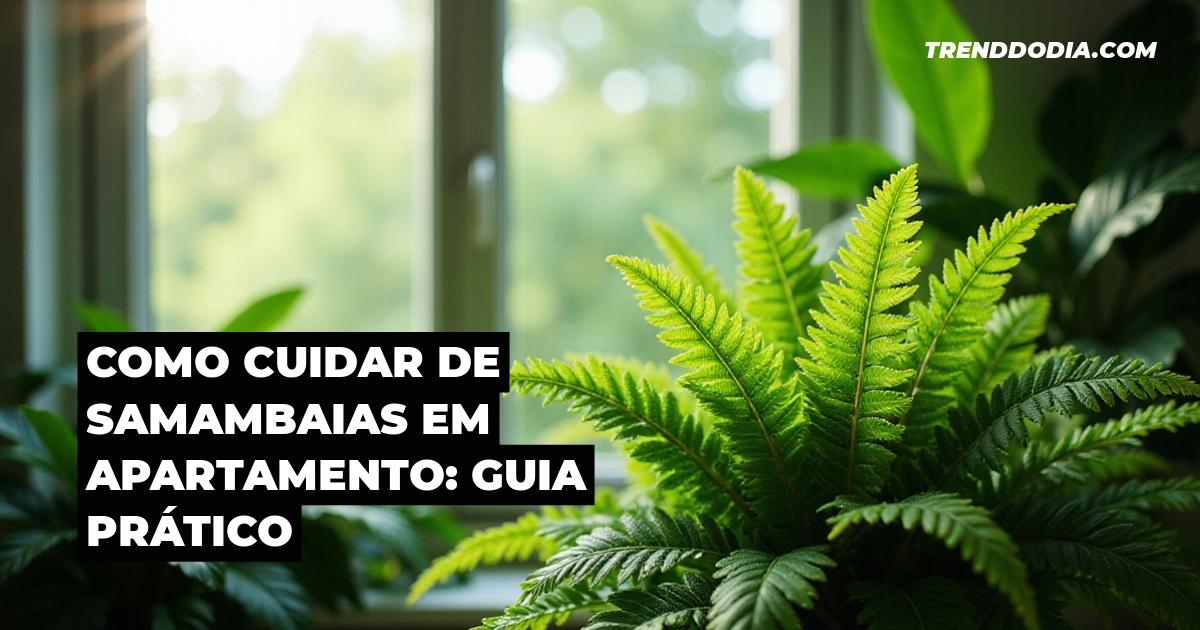
To keep ferns healthy in an apartment, it's essential to provide indirect light, water frequently without overwatering, maintain a humid environment, use a light substrate with good drainage, apply light fertilizer throughout the year, prune for cleaning, and be vigilant for pests like mealybugs, always observing the leaves to improve care.
Many people kill ferns by overwatering them or placing them in the wrong spot in their home. With a few simple adjustments to your apartment's routine, you can achieve full, green foliage all year round. Let's see, step by step, how to do this in practice.
Where to place a fern in an apartment
Choosing the right spot for your fern is essential for its healthy growth. Consider locations with soft light and natural humidity, such as near windows that don't receive direct sunlight all day.
This prevents the leaves from burning or becoming dull. Additionally, environments with good air circulation help prevent mold.
According to ABFLORE (2023), the sale of plants for indoor environments grew after the pandemic, with a particular emphasis on hanging foliage such as ferns. Therefore, it is common to see this trend in modern apartments.
Best rooms for hanging ferns
The bathroom or kitchen are great places for ferns because they have vapors that increase humidity. Hang them on supports near a small window where light filters in gently.
Therefore, they should be kept in a cool, humid place. But avoid placing them on the floor, as they may not receive enough light.
How to test ambient light in a simple way.
To check if the light is adequate, observe the shadows during the day. If they are soft and not too dark, it's good. Use a mobile app to measure the brightness if you want something precise.
This way, you can better adjust the plant's positioning. However, if the room is too dark, consider using lamps specifically designed for plants.
Imagine, for example, an apartment in São Paulo with a fern in the living room near the east-facing window. This would be better than in a bathroom with a small window in Belo Horizonte, because the eastern light filters through without burning the leaves.
| Environment | Light in São Paulo (East Window) | Light in Belo Horizonte (Small Bathroom) |
|---|---|---|
| Green and full leaves | Yes, soft morning light. | No, very little direct light. |
| Risk of burns | Low, with curtain | Low, but leaves may wilt. |
| Natural moisture | Medium, adjust spraying | Tall, good for ferns. |
See more General tips for plants in apartments If you want to adapt other species to the apartment's routine.
How to water a fern in an apartment without killing the plant.
Proper watering prevents root rot and keeps ferns thriving. Start by testing the substrate with your finger: if it's dry on top, it's time to water.
Therefore, use water at room temperature and allow it to drain well. This keeps the soil moist, but not waterlogged.
In surveys conducted by urban gardening companies (2022), the most frequently cited mistake by beginners is overwatering shade-loving plants such as ferns. Therefore, focus on watering frequency.
For example, a resident of Curitiba waters their fern every 3 days in the summer and once a week in the winter. They always check the moisture beforehand, using their finger to avoid mistakes.
Step-by-step guide to watering and misting leaves.
First, slowly pour water into the pot until it comes out of the holes. Wait a while and repeat. Then, mist the leaves once a day with a hand sprayer.
This helps with humidity, especially on dry days. But use filtered water to avoid mineral stains.
Signs of overwatering and underwatering in ferns.
Yellowing leaves indicate overwatering: cut watering in half. Soft roots, on the other hand, point to a lack of water, so increase the frequency. Observe these changes to correct them quickly.
This way, you maintain the balance. However, in warm apartments, opt for shorter, more frequent waterings.
Delve deeper into the topic of proper watering in general, such as in Proper watering of plants.
Ideal substrate and pot for healthy ferns.
A lightweight substrate prevents root diseases in ferns. Mix equal parts potting soil, humus, and fine sand for good drainage.
This prevents the water from stagnating and allows the roots to breathe better. Pots with large drainage holes at the bottom are also essential.
A resident of Recife does this by mixing topsoil, worm humus, and coconut fiber. She uses a hanging plastic pot with gravel at the bottom to enhance drainage.
Ornamental plant growers in Minas Gerais (2021) report lower fern mortality in pots with good drainage and light substrates. So, invest in this combination.
Simple soil mixes to make at home
Purchase regular potting soil from the market and add vermiculite for aeration. This mixture is inexpensive and easy to find. Simply sift it well before using.
This ensures the substrate remains uniform. Although simple, avoid clay soils that retain too much water.
When to repot a fern
Change the pot when roots come out of the drainage holes or growth stops. Generally, this is done every 2 years to allow for new space.
In this regard, opt for containers with extra holes. But check if the size is ideal for the apartment hallway.
See more general container growing techniques, such as in Container gardening.
| Pot Size | Diameter (cm) | Ideal for | Advantages |
|---|---|---|---|
| Small | 15-20 | Apartments with limited space | Easy to move, less substrate. |
| Average | 25-30 | Living room or balcony | It grows well, balanced. |
| Big | 35+ | Indoor garden | Decorative effect |
What is the best light and temperature for ferns in an apartment?
Indirect light keeps ferns healthy by mimicking natural shade. Place them 1-2 meters away from a window with curtains filtering the sun.
Therefore, the leaves don't burn. Temperatures between 20 and 25 degrees are also perfect for growth.
Comparing a fern planted in a north-facing window in Rio de Janeiro, with a filtering curtain, it grows full. However, in a dark hallway in Porto Alegre, the leaves become weak due to lack of light.
Residential landscaping projects in Southeast Brazil (2022) indicate that environments with an average temperature close to 25°C are the most commonly used for shade-loving foliage. Therefore, adjust your apartment accordingly if necessary.
Tips for very hot or very cold regions
In intense heat, use fans to circulate the air and prevent overheating. In cold places, insulate the pot with protective plastic against drafts.
These tricks work well. But monitor simple thermometers to keep track.
How to protect ferns from direct sunlight
Hang thin curtains or use external awnings to block strong rays. This is easy to do on apartment windows.
This will protect the plant. However, if the sun is too strong, move it to another room.
Optimize light and temperature for indoor plants, such as in herb garden at home.
How to fertilize and prune ferns to keep their foliage full.
Lightweight fertilizers nourish ferns without weighing down the soil. Use diluted fertilizer every 45 days during spring and summer.
In this regard, dilute the product in the irrigation water to avoid burning the roots. Fertilizing in small doses maintains the balance.
Every month, trim only dry leaves with clean scissors to encourage new growth. This simple pruning makes the plant bushier.
For example, a person in Salvador uses NPK 10-10-10 fertilizer every 45 days at this time of year. And they prune monthly, cutting only the yellowed parts, keeping the fern full on the balcony.
Floriculture technicians interviewed by industry associations (2020) report that light and consistent fertilization generates a better response in foliage plants such as ferns. So, follow this advice.
Simple year-round fertilization schedule
In autumn and winter, pause fertilizing and focus on minimal watering. In spring, resume fertilizing gently. This is adapted to the Brazilian climate.
Spring is the peak season. But always check the label instructions for safe amounts.
Step-by-step guide to pruning dry and yellowed leaves.
Use gloves to avoid scratches. Cut close to the base with sterilized scissors. Clean up any remaining debris afterward for hygiene.
Do this monthly. Soon after, increase humidity by misting to encourage new growth.
How to solve pests, diseases and common problems with ferns
Pests like mealybugs appear when the air is too dry. Treat them with neem oil diluted in water, applying it to the affected leaves.
This solution is natural and effective. For mold, improve ventilation immediately.
Reports from urban nurserymen (2021) indicate that mealybugs and leaf fungi are the most frequent occurrences in indoor ferns. So, be aware.
Wilted leaves often come from strong winds in the apartment. Protect them by covering them temporarily with light cloths.
One case in Campinas involved treating mealybugs with water and neutral soap, followed by neem oil. Additionally, ventilation was increased to prevent recurrence.
Yellowed, dry, or wilted fern: what to do
Yellowing indicates a lack of nutrients or too much sun: fertilize lightly and check the location. Dryness indicates low moisture, so spray more.
Wilting indicates compromised roots: remove rotten roots and repot. Correct these signs promptly.
Quick tips for growing ferns with pets at home.
Keep plants at heights that dogs and cats cannot reach. Repel insects naturally with harmless essential oils.
This maintains harmony. However, if your pet bites, wash the area and watch for symptoms.
Now that you've seen the essential care tips, remember: place the fern in a location with indirect light and good ventilation, water frequently but without soaking, use a light substrate in a pot with drainage, maintain adequate light around 25°C, fertilize lightly and regularly, prune for cleaning, and watch for pests or signs of problems on the leaves to make adjustments.
Tell us how your fern is doing in your apartment! What challenges are you facing? Share this guide with friends who want to create an urban jungle at home and inspire others to start too.