If your plant's roots are rotten, you can still save it if you act quickly. Identify the symptoms on the leaves, check the roots, cut off the damaged parts, change the substrate, and adjust watering and drainage. In many cases, it will sprout again in a few weeks.
The problem is that rot starts hidden, deep in the soil, and many people only notice it when the plant is almost dying. You'll learn simple signs to detect it early and a step-by-step guide to giving it a second chance.
Plant with rotten roots: how to recognize the problem early on.
You can notice early on that your plant has root rot by looking for visual changes above the soil. Yellowing or wilting leaves, even with regular watering, are common signs. Then, soft or darkened stems show that the problem started in the roots.
Rural extension research indicates that root rot is one of the main causes of death for potted plants, especially in urban environments. This shows why it's worth keeping an eye on houseplants.
But wilting doesn't always directly indicate root rot. Other factors, such as lack of light, can be confusing. Therefore, also check the roots. This problem comes from fungi that thrive in excessive moisture, harming pots without good drainage.
| Aspect | Healthy Root | Rotten Root |
|---|---|---|
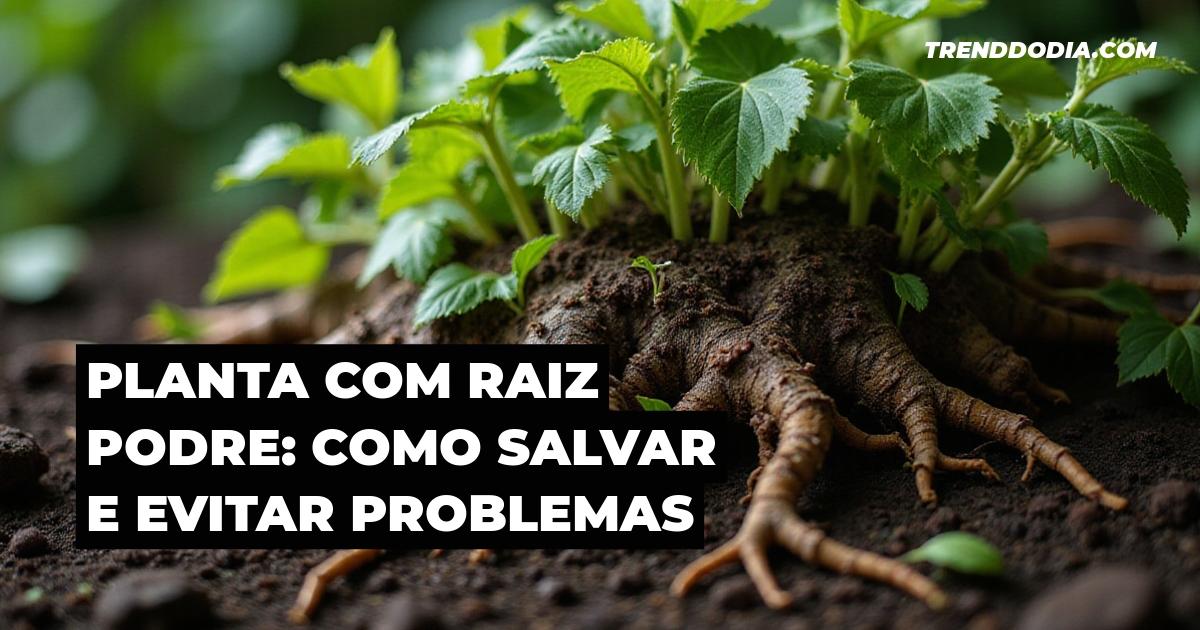
| Color | White or light-colored, with natural brown highlights. | Black, dark brown, or gray, often with soft spots. |
| Texture | Firm, elastic to the touch, with fine, branching roots. | Soft, spongy or viscous, thick and swollen roots |
| Smell | Neutral or fresh soil, without strange odors. | Strong odors of mold or decay, appearing spoiled. |
| General health | Active roots, with white tips growing in. | A significant portion is necrotic, and the damaged roots cannot support weight. |
Consider this: a fern in an apartment in São Paulo began to yellow and wilt even though it was watered regularly. Only when it was removed from the pot did the planter see dark, soft roots with a bad smell, confirming the rot. This case shows how much acting quickly makes a difference.
Next, it's worth checking if it still has healthy roots. In such situations, firm parts can save the plant, but if everything is compromised, it might be time to discard it. For young plants, external signs usually indicate hidden root rot.
Signs on leaves and stems that indicate root rot.
The leaves of your plant reveal a lot about the state of its roots. If they turn yellow or fall off for no reason, it's a warning sign. Compare them to other plants in the same location to confirm if there are any differences.
Soft stems indicate that root rot has blocked water absorption. At these times, light touches will show if the plant responds, or if it is dying from the inside. Therefore, observe carefully before removing it from the pot.
How to look at the roots without destroying the plant.
To see the roots, tilt the pot to the side and carefully remove the substrate. Don't pull too hard to avoid further damage. Then, rinse with clean water if necessary, but let it dry afterwards to prevent contamination.
If you have root rot, you'll see changes immediately, such as dark, soft patches. In that case, use gloves to protect your hands and check secondary roots as well. With outdoor plants, handling the soil can be easier.
What are the most common causes of root rot?
Root rot is mainly caused by watering problems. Overwatering leaves the substrate waterlogged, creating perfect conditions for fungi. As a result, the plant suffers because the roots cannot "breathe".
Poor drainage makes everything worse, trapping water at the roots. Agricultural libraries compare this to constantly having wet feet. Thus, pots without drainage holes or heavy substrates increase the risk.
Consider this example: a succulent in Goiânia, planted only in black garden soil and watered almost daily, began to rot after weeks of continuous rain. This case shows how the wrong substrate worsens the problem, but adjusting it resolves it in many cases.
Studies on vegetables show that compacted and waterlogged soils greatly increase the incidence of fungi such as Pythium in the roots. This reinforces the idea that prevention starts with choosing the right containers.
But excessive fertilizer is also harmful, burning fragile roots. Therefore, undiluted chemical fertilizers are common culprits in urban potted plants.
Excess water, poor drainage, and root fungus.
Overwatering is a basic mistake, especially with plants that store water, such as desert roses. After several days of dampness, the roots become soft, allowing fungi to enter. Under these conditions, fungi like Rhizopus spread rapidly.
Poor drainage exacerbates the damage, as water doesn't drain from the pot. Soon after, roots suffocate due to lack of oxygen, rotting completely. In apartments, using saucers under the pot makes the problem worse without you realizing it.
Wrong substrate, too much fertilizer, and damaged roots.
Pure garden soil clogs the pores of the substrate, retaining too much water. Therefore, roots damaged during transplanting worsen, causing infections. But mixing in sand or perlite helps to aerate the soil.
Strong fertilizer burns sensitive roots. In this sense, plants like monstera react badly if fertilized undiluted. However, using small doses prevents chemical rot.
How to assess if a plant with rotten roots can still be saved.
To determine if it's worth saving, count how many healthy roots remain. More than 501 intact TP4T indicate a good chance. First, check the color and firmness, ignoring any soft parts.
This assessment determines the next step: attempt recovery or discard. In many cases, firmly rooted plants return within weeks. Therefore, consider the type of plant, such as succulents that can withstand radical pruning.
Example: a desert rose in Salvador with over 70% of darkened caudex had its owner cut off the soft part, leaving firm tissue to regrow. This effort shows that active parts can be saved, despite the risks.
Producers report that the risk of loss approaches 90% when transplanting plants with severely damaged roots without a healing period. However, quarantine before replanting reduces infections.
But if all the roots are rotten, it's best to discard them to avoid contaminating others. Also, check for any visible fungi.
Amount of rotten root x chances of recovery
If less than 30% of the roots are rotten, there is a high chance of recovery. Immediately afterwards, cut off the bad roots and replant in fresh substrate. Conversely, more than 70% means a high risk of failure.
Plants with thick roots, such as ferns, have greater tolerance. In this sense, evaluate by species: succulents regenerate better. However, always be cautious with plants that have sensitive caudexes.
When is it best to discard the plant to avoid contaminating others?
Discard if a strong odor indicates advanced fungus. After cutting, burn the remains to prevent spreading. Then, plant new plants in a separate location, avoiding cross-contamination.
If the infection has affected most of the roots, throwing them away will prevent further damage. Also, wash tools between uses to protect your garden. In apartments, use plastic bags for easy transport.
Step-by-step guide to treating root rot and safely replanting.
To treat it, carefully remove the plant from the pot. First, wash the roots under running water to remove old soil. Then, cut off any soft parts with clean scissors.
Next, let it air dry for a few hours to heal. Then, choose a pot with drainage holes and fresh potting mix, such as a mixture of sand and soil. Plant it and water sparingly for the first few days.
Example: a pothos plant in an apartment in Rio de Janeiro was removed, its dark roots cut, replanted in well-drained substrate, and it started sprouting leaves again within a month. This simple method revives many plants.
Many growers report that when the plant still has clear, firm roots, the recovery rate is high after proper replanting. But fungicides help if they increase protection.
| Method | Advantages | Disadvantages |
|---|---|---|
| Direct replanting in new substrate | Quickly, plants recover quickly if their roots are healthy. | Risk of contamination if fungi remain. |
| Pure sand method | Slow and steady, it minimizes the risk of regrowth. | It takes longer for new roots to grow. |
| With fungicide | Protects against recurring infections, effective against fungi. | It can be toxic; you need to follow the instructions. |
But for natural methods, use diluted garlic tea on the roots. This alternative involves organic amendments that strengthen the root system.
Pure sand method for slower and safer recovery.
Use coarse, clean sand for temporary planting. First, submerge healthy roots to dry. Then, keep the soil moist but not soggy, watering every three days.
This slow method allows new roots to grow without rushing. Then, transition to the final substrate after a few weeks. This reduces the risk of reinfection.
Use of fungicides and more natural alternatives
Commercial fungicides, such as copper or sulfur, protect treated roots. First, dilute according to package instructions and apply before planting. In contrast, natural fungicides like neem oil repel fungi without chemicals.
At home, chamomile tea or a mixture of baking soda works well. Apply this weekly to maintain protection. However, always test on a small area first.
How to prevent rotten roots from rotting again.
To prevent overwatering, water only when the top layer of soil is dry. First, use your finger to test the moisture. Then, adjust the frequency by species: less for succulents, more for shade-loving plants.
A well-drained substrate, with sand or perlite, helps roots dry quickly. Then, add pine bark to regulate watering. Finally, avoid heavy fertilizers in winter.
Example: someone in Belo Horizonte set up a balcony with succulents, reducing rot by adjusting watering and using sandy substrate. This adjustment almost eliminated deaths from root rot.
Agricultural technicians observe more problems during cold, rainy periods when soils don't dry out. But plastic covers provide temporary protection for the pots.
But yellowing doesn't always indicate root rot; it could be a sign of nutrient deficiency. Therefore, fertilize with foliar sprays to balance the problem.
Watering, substrate and drainage on a daily basis.
Water with a fine spray directly onto the substrate, avoiding wet leaves. Then, allow the soil to dry out between waterings to oxygenate the roots. In small pots, paper towels can help absorb excess water.
Organic substrate with good pores prevents compaction. Therefore, a complete replacement every two years reinforces its health. In garden beds, add sawdust to help.
Care during transplantation and in choosing the vessel.
Choose larger pots only if roots can grow out of the drainage holes. First, check the weight: heavy pots retain too much water. Then, holes at the bottom ensure drainage.
When transplanting, don't force the roots; leave them natural space. Then, place a layer of stones at the bottom for drainage. In apartments, ceramic pots are ideal because they absorb less heat.
Caring for root rot in succulents, desert roses, and shade-loving plants.
Succulents and cacti react badly to waterlogging, rotting the entire caudex. First, cut off any soft parts immediately. Then, use sand to help them recover slowly.
Desert roses, with their fleshy stems, require special attention. Avoid low light and frequent watering. Natural fungicides can also be helpful as a preventative measure.
Shade-loving plants, such as philodendrons, can rot in pots without drainage holes. Therefore, repot them in well-drained soil and water less in the fall. But monitor them for early signs of rot.
Comparison: a succulent in Curitiba rotted due to excessive watering, a desert rose in Fortaleza had a compromised caudex, and a monstera in São Paulo, planted in a pot without drainage holes, became waterlogged. These cases illustrate differences between species.
Ornamental growers report that succulents and cacti are sensitive to waterlogging. But balanced environments reduce 80% of these cases.
Succulents and cacti: rotten roots and compromised caudex
Radical pruning can save succulents if the caudex is firm. First, let it dry for two days before replanting. Then, water sparingly to avoid shocking the plant.
Cacti, such as echeveria, regenerate from lateral cuts. Therefore, use spiny gloves to handle them. Additionally, using a specific cactus substrate will prevent recurrence.
Desert roses and shade plants in pots and flowerbeds.
Desert roses tolerate moisture poorly; immediate transplanting is a lifesaver. Then, mix coarse sand into the plants in the flowerbeds. Immediately afterwards, provide shade to prevent stress.
Shade-loving plants prefer pots with wide drainage holes. Therefore, add mulch to retain heat, not water. But replace it every two weeks.
Quick questions about plants with rotten roots.
Recovery time varies, but new roots appear in 2-8 weeks. First, it depends on the species and season. Soon after, observe the foliage for positive signs.
Regarding contamination, rotten roots are transmitted by fungi that remain in the substrate. Therefore, do not reuse infected soil; discard it or sterilize it with lime. Afterward, wash pots in diluted bleach.
Many gardeners report an average time of 2 to 8 weeks for new roots to appear. But succulents take twice as long. However, patients see strong new shoots.
But use a pot even if it's well prepared. With a clean pot, increase the drainage layer. This way, rotten roots won't easily return.
FAQ: Recovery time, contagion, and same-land use
Full recovery takes weeks to months. First, dry leaves fall off, then new ones sprout. In pots, speed up the process with indirect light. But avoid moving them until they are firmly established.
Contagion occurs if fungi migrate. Therefore, isolate diseased plants and use alcohol on tools. Separate shelves also help in small apartments.
FAQ: Homemade fungicide, root pruning, and watering after repotting
Homemade fungicides like diluted milk kill mild fungi. First, submerge the roots for 30 minutes. Then, rinse before planting.
You can trim the soft roots with sterilized scissors. Then, cut 2 cm above the lesions. After that, leave the tips free and water only when the substrate is wet.
The recovery mentioned reinforces the importance of identifying symptoms in the leaves and roots early to save your plant. Remember the step-by-step process: cleaning, cutting off rotten parts, changing the substrate, adjusting watering and drainage, with extra care for succulents and desert roses.
Now, observe a suspicious plant today, follow the steps, and comment below on how it recovered. Or send your specific questions about the plant you care for so we can help you more personally.