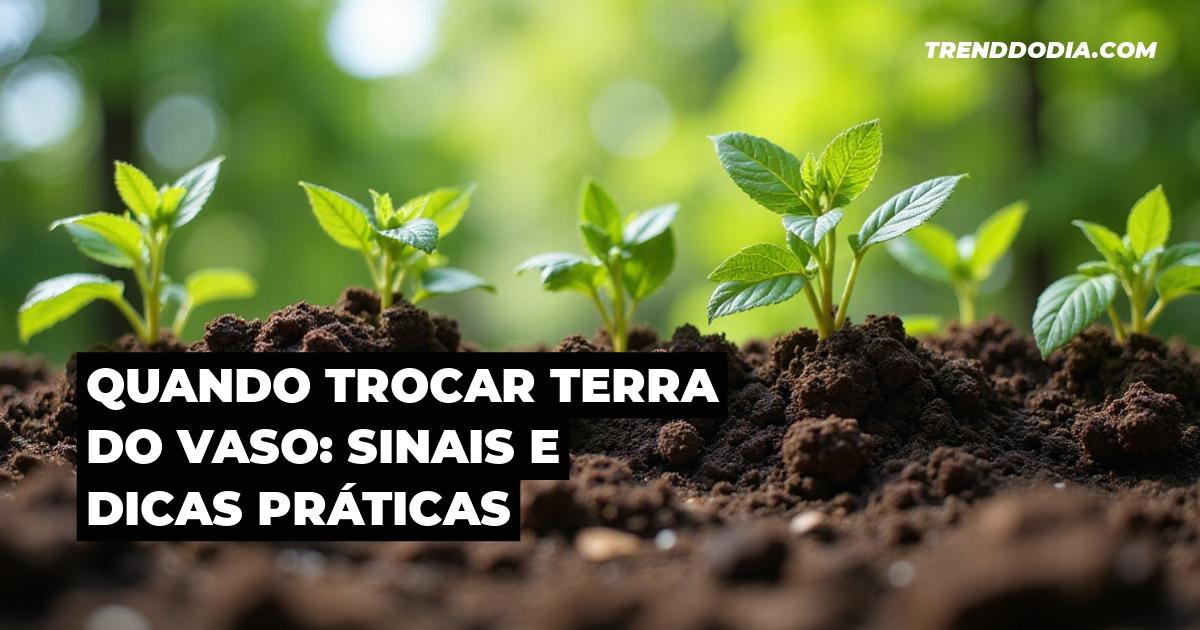
You should change the soil in the pot when it is compacted, does not drain properly, shows mold or white crusts, roots are sprouting from the holes, and the plant is growing slowly, even with fertilization. In general, repotting is recommended every 1 to 3 years, varying according to the species.
If you're watering, fertilizing, repotting, and the plant still isn't responding, the problem is probably the soil. Understanding the right signs prevents losing plants and wasting money. So, let's see step-by-step when to change the soil and how to do it without killing the plant.
Clear signs that it's time to change the soil in the pot.
It's common to notice something is wrong with the plant before considering replacing the medium. This problem can stem from factors such as compaction, which causes water to stagnate or drain too quickly.
Next, observe whether the soil remains wet for too long or dries out quickly after watering. In that case, replanting may help restore air circulation and nutrients.
Imagine a pothos plant in an apartment in São Paulo with roots growing out of the drainage hole, slow-draining water, and smaller, yellowing leaves after two years in the same container. This is a common sign.
Whenever a plant stops flowering or producing new leaves, despite care, it's time to check the substrate.
Cramped roots and overcrowded pot
Roots grow over time, and if they become cramped, it hinders water absorption. This leads to an overcrowded pot, where the plant stops growing properly.
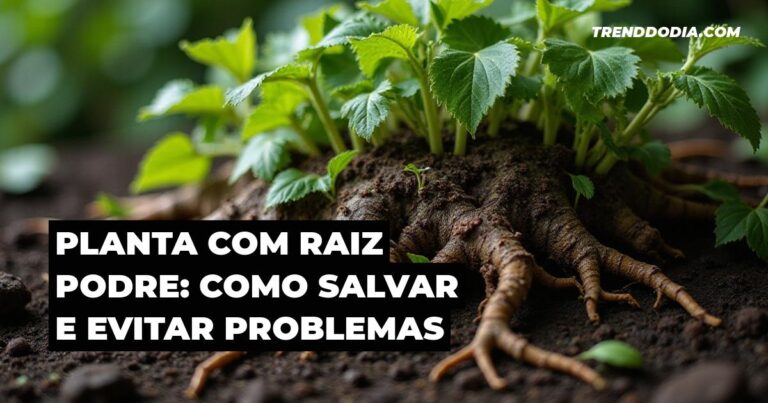
To check, carefully remove the plant from the pot: roots coming out of the holes indicate an immediate need for repotting.
Strange soil: mold, bad smell, and white crusts.
The appearance of mold or white crusts indicates that the soil is overloaded with mineral salts from hard water. In cities like São Paulo, this is common due to water treatment.
In these cases, scrape the surface and see if the problem is superficial or deep, justifying a complete replacement.
How often should you change the soil in the pots for different types of plants?
The frequency of repotting depends on the type of plant and the conditions in which it grows. Slow-growing plants need repotting less frequently than fast-growing ones.
According to Embrapa Research (2022), regular fertilization reduces the need for complete replanting in many ornamental species.
Compare a person in Belo Horizonte with orchids on their balcony (replaced every 2-3 years) to someone who grows basil in their kitchen (replanted annually or when weakened).
| Plant Type | Recommended Frequency | Practical Example |
|---|---|---|
| Succulents | Every 2-3 years | A family in Rio de Janeiro replants cacti in the fall to avoid damaging them. |
| Cooking herbs | Annual | A housewife in Porto Alegre changes the soil of her rosemary every year before planting tomatoes in her garden. |
| Ornamental plants | Every 1-2 years | A resident in Curitiba changed the soil of his bromeliad after noticing exposed roots. |
Orchids, succulents and indoor plants
These plants adapt well to smaller pots and specific substrates, such as pine bark. Replace the potting mix every 2-3 years to maintain their health.
If you notice compaction, use this time to renew the soil without stressing the plant.
Herbs, vegetables and fast-growing plants
Since they need space for vigorous root systems, repot them annually. This prevents them from becoming weak during cultivation.
Sometimes, with balanced fertilization, you can extend this period, but watch for signs of wear and tear.
When should you change the soil in a pot because of pests, fungi, or spoiled soil?
Pests and fungi in the soil require quick action to prevent contagion. Replace the soil urgently in cases of infestation.
"Nariz-du-engano-são-paulo" is common in damp soils and indicates a need for thorough cleaning.
For example, a fern in Recife had fungus gnats climbing up from the pot, fungus on the surface, and a noticeable improvement after a complete repotting.
When land exchange is urgent
If there are visible pests such as moths in the soil or a strong smell, don't wait: remove the plant and wash the pot with bleach.
Therefore, use fresh soil to break the infection cycle.
How to prevent the problem from recurring after replanting.
After the change, add coarse sand to improve drainage and reduce moisture. This change helps prevent mold.
Monitor watering in the following days to avoid creating conditions favorable to new infestations.
What is the best time of year to change the soil in a pot?
Spring is the ideal time for replanting, as plants are at their peak growth. This ensures a quick recovery.
However, if it's a harsh winter, wait until it warms up so as not to weaken them. In regions like Curitiba, use the beginning of spring for all plants.
Spring and other safe times to replant
In the spring, take the opportunity to reorganize your potted herb garden, as in a guide about indoor herbs. Everything blooms better during this period.
In the fall, switch to mild climates to prepare for winter.
Step-by-step: how to change the soil in a pot without harming the plant.
Replanting should be done carefully to avoid damaging the roots. Start by preparing materials suitable for the type of plant.
For example, for a zamioculcas in Rio de Janeiro: larger pot, drainage, new substrate, light pruning, and adaptation to the sun.
Avoid burying the plant's crown too deeply, as this causes rot. This common mistake is easy to prevent.
Use gloves to protect your hands and keep your work surface clean.
| Substrate Materials | Plant Type | Example |
|---|---|---|
| Potting soil + coarse sand | Succulents | Cactus in Ceará, with good drainage. |
| Humus + perlite | Tropical foliage | Pothos in an apartment in the interior of Minas Gerais. |
| Pine bark + charcoal | Orchids | Epiphytic plant in São Pedro. |
Materials, tools and preparation of the new pot
You'll need a larger pot, fresh potting soil, and a watering can. Clean everything before using damp cloths.
To improve drainage, place small stones at the bottom of the new pot.
Removal, root pruning, and planting in the new substrate.
Carefully pull the plant out, cut off any broken roots, and position it in the center of the new pot. Cover with soil up to its original height.
Water lightly and place in a shady location for the first few days.
What precautions should be taken after changing the soil in a pot?
After replanting, monitor the plant's adaptation to avoid shocks. The plant can remain dormant for a few days.
Reduce watering initially and adjust the light as needed.
Consider the case of a Monstera deliciosa plant in Salvador: leaves drooping for days, recovering with light watering and filtered light.
Adaptation period and watering during the first few days.
Leave the plant in a cool place for a week, watering only when the soil is dry on the surface. This helps it recover.
If you notice wilting, don't increase the watering immediately, as it may be due to stress from repotting.
When to start fertilizing after replanting
Wait three weeks before adding diluted fertilizer. Start with a low dose to avoid burning new roots.
In indoor environments such as apartments, follow general plant care tips.
In short, signs such as cramped roots, compacted soil, mold, white crusts, or weak growth indicate the need to change the potting soil. Remember the average frequency by type: annually for herbs, every 2-3 years for succulents. Prefer spring, follow the basic step-by-step process focusing on drainage and careful pruning, allowing for an adaptation period with moderate watering and adequate light.
Now, observe one of your houseplants. Check if roots are coming out of the holes, if the soil smells strange, or if the plant is growing slowly. Comment on what species it is, how long it's been in the pot, and if you've tried repotting it. Your question about when to change the soil in the pot can be answered here.