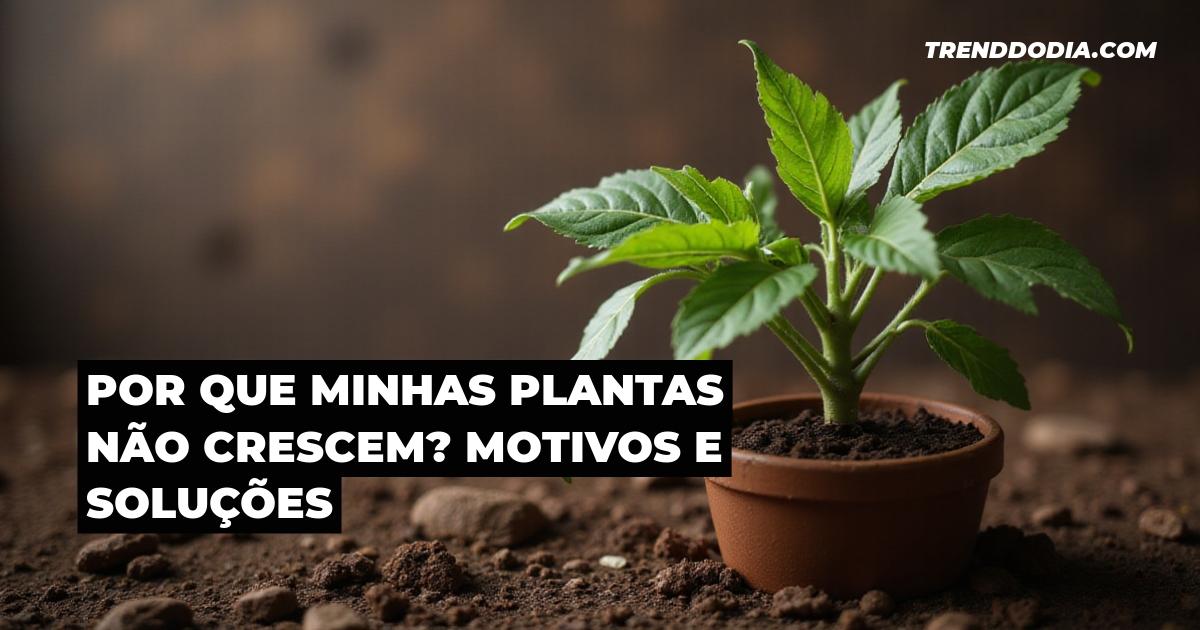
Your plants aren't growing because of a combination of five main factors: insufficient light, too much or too little water, lack of nutrients, a pot that's too small, and hidden pests. But look, with simple adjustments to the soil, fertilization, watering, lighting, and root care, most plants will thrive again.
Many people think they don't have a green thumb, but in reality they're making two or three easy mistakes that are correctable every day. You'll learn to identify each problem, see real-life examples from Brazilian situations, and apply practical solutions the next time you tend to your plants.
Quick checklist: how to know why your plant isn't growing?
If your plant has stopped growing, a quick diagnosis helps to find the root of the problem without confusion. Check if the soil is too dry or too wet, if the location receives enough light, and if the pot is still large enough to accommodate the roots.
This problem is common in Brazilian apartments, where light and space are limited. Therefore, do a simple check: test the soil with your finger, check for good drainage holes, and look under the leaves for possible pests.
In these cases, a checklist prevents wasting time and money on unnecessary products. According to a survey by Embrapa in 2022, home gardens fail more often in the beginning due to basic management errors.
| Symptom | Possible cause | Immediate action |
|---|---|---|
| Yellowed leaves | Lack of nutrients | Fertilize with simple compost. |
| Roots coming out of the holes | small vase | Transplant to a larger pot |
| thin, long stalks | Low light | Move to a brighter location. |
| Wilted leaves and a musty smell. | Overwatering | Drain and reduce water frequency. |
| Whitish spots | Pests such as mealybugs | Hand wash with mild soap. |
Step-by-step guide in 5 minutes to make an initial diagnosis.
First, take a cup of water and water the plant if the soil is dry on the surface. Then, observe if it responds well to the moisture.
Next, check the bottom of the pot for cramped roots and rotate the plant to check for common pests such as aphids. In these cases, note what you found and address it point by point.
Key signs that indicate growth problems, and not just lack of water.
Signs like stunted or small leaves indicate more than just incorrect watering, such as insufficient nutrients or low light. For example, if your homegrown lettuce in São Paulo remains small even after watering, it's a sign of poor soil.
This problem affects many people, but recognizing it prevents incorrect treatments. If you notice fallen or wilted leaves, check the guide. Are My Plants Wilting? See How to Help Them Quickly for first aid and symptom comparison.
Poor soil and lack of nutrients hinder growth.
A nutritional deficiency in plants results in slow growth, with small, yellowed leaves. Nutrient-poor soil is responsible for a large proportion of cases of stunted growth in plants.
This type of problem is more visible in urban gardens, where the soil in the region may not provide everything the plant needs. In Fortaleza, for example, sandy soil makes lettuce small until you add worm humus and homemade compost.
To solve this, start with simple and sustainable fertilization, using materials you find at home. Embrapa pointed out in 2021 that nutritional deficiencies reduce productivity in crops by up to 30%.
When applying fertilizer doesn't solve the problem immediately, adjust the soil pH and mix in fresh organic matter. This allows the roots to absorb it better and growth to resume.
| Nutrient | Symptoms on the leaves | Recommended action |
|---|---|---|
| Nitrogen | Yellowed and fallen | Using organic fertilizer made from coffee grounds |
| Match | Slow growth and weak roots | Mix wood ash into the soil. |
| Potassium | Burnt edges and dry tips | Apply chopped banana peels |
| Magnesium | Whitish spots between veins | Water with sulfate soaking water |
| Iron | Chlorotic, light green leaves | Use diluted foliar fertilizer. |
Signs of poor, compacted soil or soil with an unbalanced pH.
Compacted soil hinders root respiration and impedes growth. If the pH is incorrect, nutrients become trapped and do not reach the leaves.
In Brazilian backyards, this frequently occurs in heavy clay soil. To identify it, test the permeability by letting water run through it and see if it stagnates.
What to do when the plant doesn't grow even with fertilizer?
Sometimes, fertilizing isn't enough if the soil needs complete restructuring. In this case, incorporate sand to aerate the soil and improve drainage.
For example, a vegetable garden in an apartment might require prepared terrariums. If you still have questions, check the guide. Guide: How to Fertilize Your Home Garden for Increased Production for a detailed fertilization plan.
Incorrect watering and poor drainage: your plant may be "drowning".
Overwatering causes root rot and completely stops growth. On the other hand, underwatering leaves the plant dry and weak.
In Curitiba, many people water ferns daily during the winter, allowing water to accumulate in the saucer and causing the roots to darken and smell musty. This quickly suffocates the root system.
Embrapa indicated in 2020 that watering errors kill many indoor ornamental plants. When adjusting, monitor the soil thoroughly to decide when to water again.
How to tell if you're overwatering or underwatering
Touch the soil with your finger: if it's wet to a depth of 2-3 cm, wait a few more days. To avoid mistakes, use a skewer as an indicator.
In these cases, regulate your watering schedule weekly for shade plants and daily for full sun plants. Imagine a succulent in a small pot; if you water it too little, it will shrivel up and stop growing.
Drainage and pot type help the plant to develop.
Pots without drainage holes or with heavy soil retain water and cause soft roots. Use porous ceramic pots or tree fern fiber pots with open holes for perfect drainage.
For added protection, place small pebbles at the base of the pot before adding the soil. This way, in Brazilian apartments, you prevent local flooding and maintain healthy growth.
Does your plant get enough light to grow?
Inadequate light causes plants to grow too long without developing strong leaves. Even under cloudy skies in Brazil, many plants remain in overly shady locations.
In Belo Horizonte, residents place pothos plants in dark hallways and notice long internodes and small foliage. Moving them near windows already corrects part of the problem.
In 2021, Sebrae reported that incorrect lighting is causing problems in apartment gardens, resulting in more than half of urban garden failures. Identifying and adapting to these issues accelerates the return to growth.
Difference between direct light, indirect light, and light shadow.
Direct light, such as strong morning sun, is ideal for flowers and vegetables, but excessive light can burn tender leaves. Indirect light, filtered through curtains, is suitable for indoor plants.
Light shade allows for slow growth and large foliage, typical of forests. Use shade tests to see what your plant prefers before relocating it.
How to adapt vegetable gardens and indoor plants to Brazilian apartments.
In high-rise buildings in Rio or São Paulo, use sunny balconies with shade netting. For indoor plants, choose varieties that tolerate low light.
In these spaces, rotate the plants weekly for balanced exposure. This maximizes limited shade and helps with home cultivation without high investments.
Small pot and cramped roots hinder development.
Roots that are embedded hinder above-ground growth, resulting in stunted plants. Repotting into larger pots frees up space and nourishes new foliage.
In Salvador, people have been keeping "comigo-ninguém-pode" plants in pots for two years, and the roots grow in loops, growing out of the drainage holes, until repotting revitalizes everything. It's a common problem and easy to solve.
In 2020, Embrapa recommended that roots be checked annually for perennial crops. This helps prevent stagnation and maintain vegetative vigor.
How to identify root blockages and depleted soil.
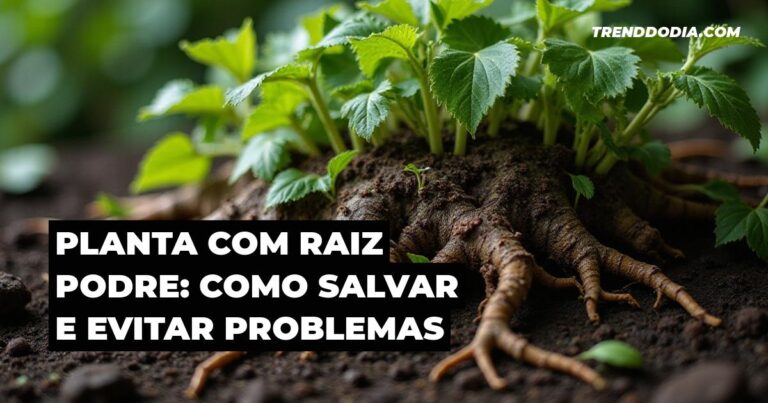
Remove the pot and you'll see roots encircling the cup like a dense ball. If the soil is too clayey, it compacts and stops aerating.
In this case, cut off dead roots with clean scissors and renew some of the soil. This will quickly reduce apparent growth problems.
Basic steps for replanting without killing the plant.
First, moisten the old soil to make it easier to remove without cracking it. Choose a pot that is 5 cm larger to prevent the roots from being suffocated soon after.
Use fresh, fertilized soil, center the plant and press gently. If using, check When to Change the Soil in the Pot: Signs and Practical Tips for signs of depleted soil.
Silent pests and diseases that hinder growth.
Pests like aphids suck sap and prevent healthy development. Even though they are invisible, they cause deformed leaves and complete stunting of the plant.
In Rio de Janeiro, balconies with basil infested with mealybugs produce smaller leaves until the infestation is controlled. Early identification prevents greater losses.
Embrapa warned in 2021 that pests reduce vegetative vigor in small urban gardens. With regular inspections, you can maintain uninterrupted growth.
How to recognize mealybugs, aphids, and mites at home.
Mealybugs appear as white shells on the stem; aphids, as small green or black dots on the buds. Mites leave fine webs and yellowish spots against the light.
Use a regular magnifying glass to see up close in foliage and tree trunks. In Brazilian apartments, this happens more often during the humid summer.
Natural remedies and when to seek professional help.
Wash with a strong jet of water and homemade insecticidal soap diluted in water. For severe cases, isolate the plant and apply diluted neem oil.
If the problem persists, consult a local agronomist for specific solutions. With prevention, pests will no longer plague your garden.
Plant growth depends on a combination of factors: nutritious soil, proper watering and drainage, adequate light, a pot with enough space for roots, and pest control. Small adjustments at each point can unlock growth in days or weeks.
Try at least one action today, such as changing the location or adjusting the watering, and leave a comment saying what you noticed about your plant. Share the article with someone who thinks they don't have a green thumb – maybe it will help more people!