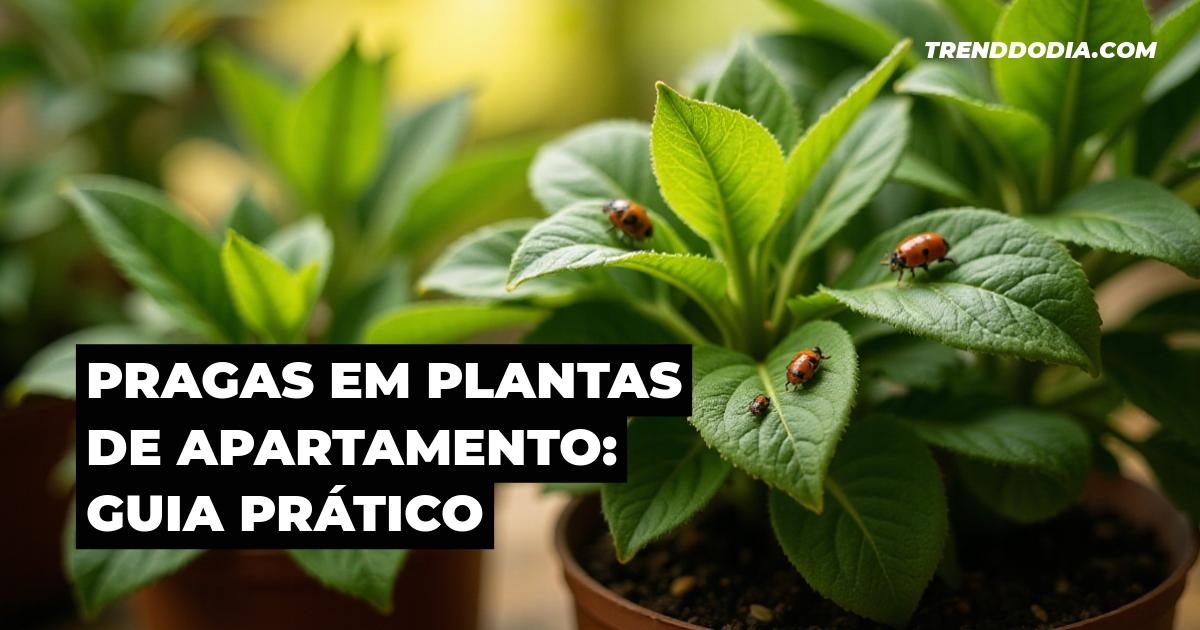
Pests in houseplants are insects and fungi that suck, bite, or rot leaves and roots. You can identify them by visual signs on the leaves, stems, and soil, then control them with cleaning, natural solutions, adjustments to watering and ventilation, as well as simple preventative care. If you've already found white spots, sticky leaves, or bugs flying near your pots, you may be losing your plant without realizing it. Understanding these signs now can be the difference between saving or throwing away your favorite green friend.
Look, these parasites thrive in indoor environments because of ideal conditions that facilitate their rapid reproduction. In small apartments, the lack of air circulation and constant heat create a favorable environment for insects like aphids to multiply in a few days, especially if the plants are close together. Articles from 2026 point to an increase in pests in small apartments with poor ventilation in large Brazilian cities (Source: Uai, 2026). Therefore, residents of places like São Paulo or Rio notice more problems with plants near windows, where the air stagnates. A basic routine of general care helps prevent plants from weakening and becoming easy targets for pests. In this sense, knowing... How to Care for Plants in an Apartment: Practical Tips This can make all the difference in keeping your plants strong from the start.
Apartment factors that encourage pests.
The layout of your apartment can worsen the problem of plant pests. Environments with many crowded pots and closed windows retain moisture, thus facilitating soil fungi and flying insects. For example, in a small studio apartment, the steam from the kitchen exacerbates this even more. It turns out that, in addition to low humidity in dry places like Brasília, there is also the opposite: humid Brazilian regions favor mites and whiteflies. Furthermore, old materials on windows block sunlight, weakening the roots and attracting pests.
Care mistakes that leave the plant vulnerable.
Overwatering plants creates constantly wet soil, perfect for fungi like Fusarium. This happens when you water every day without checking if the soil has dried out, such as in apartments without balconies where the air is dry. Furthermore, leaving plants dusty weakens them against pests. For example, in a typical case of a resident of São Paulo watering every day and hardly ever opening the window, fungi appear in the soil and small flies swarm around the apartment within a few weeks.
How to recognize the most common pests in houseplants
Look, identifying pests early prevents major damage to your houseplants. Common signs include yellow leaves, black spots, or tiny bugs moving around. In Brazilian apartments, where plants are common in windows and living rooms, these problems appear due to climatic variations. Studies indicate that aphids can complete a life cycle in about 7 to 10 days under favorable conditions (Source: Embrapa, 2024). Therefore, inspect the leaves regularly to notice initial infestation. In these cases, acting quickly prevents an isolated pest from becoming an epidemic. The problem is confusing pest symptoms with other problems, such as wilting from heat, which can be misleading. To differentiate, look for patterns: if the leaves are wilted and the soil is dry, it may not be a pest, but a lack of water. Here, Are My Plants Wilting? See How to Help Them Quickly This helps to identify whether it's a pest or not. In a real-life example, such as in an apartment in Belo Horizonte, a person notices new rose bush leaves curled up and covered in clusters of small green dots on the underside, with the presence of black sooty mold after a few days: a typical case of aphids.
| Prague | Appearance | Signs on the plant | Attacked parts | Where is it most common in Brazil? |
|---|---|---|---|---|
| Aphids | Green, black, or white insects in a group. | Deformed, sticky leaves or leaves with hives | Young leaves and shoots | Southeastern regions such as São Paulo and Minas Gerais |
| Cochineal insects | Brown or white husks stuck together | Yellow leaves and swollen stems | Stems and leaves | North and Northeast, in warmer climates |
| Mites | Small red or white moving dots | Thin webs and spotted leaves | Lower leaves | Southern Brazil, in the cold and humid areas. |
| Whitefly | White flying insects when shaken | Yellowed leaves and honeydew | Mature leaves | Midwest, in apartments with little light. |
| Trips | Small, elongated, flying insects | Silver spots and deformities | Flowers and leaves | Amazon, with high humidity |
| Soil fungi | Dark spots or white mold | Rotten roots and fallen leaves | Roots and base of the stem | The entire Atlantic coast, in rainy areas. |
Sucking insects: aphids, mealybugs, mites, and whiteflies.
These sap-sucking insects steal sap from the plant, leaving it weak and attractive to other pests. You'll see signs like sticky leaves due to the honeydew they leave behind. For example, on an indoor fern, aphids appear on the tips of the leaves. They spread quickly in poorly ventilated apartments, typical of cities like Rio de Janeiro. In this context, early identification by the small green spots saves plants like African violets in the kitchen.
Other apartment pests: thrips, soil fungi, and ants.
Besides sap-sucking insects, thrips cause silvery spots and deform flowers, while soil fungi rot roots if the soil remains constantly damp. Ants bring even more pests, such as by carrying insect seeds. In Brazilian regions like Salvador, where humidity is high, soil fungi are common in pots near the refrigerator. Therefore, recognizing soft roots early helps to separate plants before mold spreads.
How to eliminate pests in a simple and natural way.
Eliminating pests from houseplants can be done with natural and inexpensive methods, without damaging your space. Use a jet of water, neutral soap, or neem oil to remove insects like mealybugs. This works well in small kits, without the need for harsh chemicals. Technical reports indicate that consistent use of neem oil strongly reduces the population of sucking insects over 2 to 3 life cycles (Source: Embrapa, 2023). With this, you can control pests like aphids on plants such as pothos without excessive effort. To delve deeper, it's worth testing recipes and uses with safe options for your apartment. At this point, homemade solutions prevent bigger problems.
Quick step-by-step guide to the main types of pests.
For mealybugs, soak cotton balls in alcohol and manually remove them from the leaves. Then, apply diluted coconut soap to the affected areas. In Curitiba, people successfully use this method on pothos plants in the living room, repeating it weekly. In the case of whiteflies, place a yellow sticky trap near the pot. Combine this with watering less to allow the soil to dry out. Soon after, the flies will decrease and your plants will become vigorous again.
Safety precautions in apartments with children and pets.
In homes with children or animals, avoid strong preparations; opt for soap and water to avoid poisoning anyone. If neem oil is used, dilute it well and apply it in areas out of reach of curious pets. Test the solution on a small leaf first to see the reaction. For example, in an apartment in Rio, the owner avoids common insecticides, opting for manual cleaning to protect her cat from the plants.
What precautions can prevent pests in houseplants?
Preventing pests involves simple changes to your plant care routine. Inspect weekly, keep the soil dry between waterings, and increase air circulation. This prevents fungi and insects from establishing themselves in cramped apartments. Technicians report that weekly inspections greatly reduce the chance of serious infestations because pests are controlled early on (Source: Embrapa, 2023). Therefore, adjusting humidity helps against mites, as seen in... How to Increase Humidity in HouseplantsIn one practical example, a resident of Salvador established a routine of quickly checking the leaves every Friday, cleaning the dust with a damp cloth, rotating the pots, and avoiding leaving saucers full of water; after that, she stopped having whiteflies on her pothos.
Simple weekly routine to keep plants healthy.
Set aside 10 minutes a week to check leaves and stems for signs of pests. Clean with a damp cloth and rotate the pots for even light. This helps plants like ferns thrive in indoor environments. Water only when the soil is dry to the touch, avoiding waterlogging. Then, check for new insects and take action immediately. This keeps your plants looking beautiful without surprises.
Quarantine and spacing between pots inside the apartment
When buying a new plant, isolate it for 15 days in a separate room. During this period, check for pests before integrating it with the rest of your plants. This prevents contagion, as can happen in apartments with many pots together. Keep space between the pots for better air circulation. For example, in a small area of Minas Gerais, this practice prevented mealybugs from one plant from infecting the others. Soon after, the apartment becomes healthier.
Common mistakes and myths about pests in houseplants
Many people make the mistake of thinking that pests disappear on their own or with any poison. However, the wrong household products burn leaves and attract more problems. Professionals have noted an increase in damage since 2022 due to the incorrect use of insecticides (Source: Emater, 2022). In one example, a person in Rio de Janeiro sprayed cockroach insecticide on plants to kill aphids, ended up poisoning their cat and burning fern leaves, demonstrating the danger of using the wrong products.
Products that most harm your plants (and your health)
Insecticides for household insects are too harsh for plants; they use toxic substances that temporarily repel pests but stress the leaves. Avoid pure alcohol on delicate leaves, as it dries them out too much. Incorrect homemade mixtures, such as concentrated baking soda, disrupt the soil's pH balance. In this context, choose mild options to avoid harming the indoor environment of your apartment.
Popular beliefs that hinder pest control.
Some believe that once infected, the plant should be thrown away, but quarantine and natural control save most. Others think that moonlight cures pests, therefore ignoring ventilation because they believe that plants do well without opening windows, which hinders control. However, with air circulating, pests naturally decrease in your Brazilian environment.
Quick questions about pests in houseplants
Short answers to common questions help you deal quickly with pests at home. In Brazilian apartments, pests like houseflies frequently appear in humid conditions. Here's a number of questions clarified here, explaining crucial points without complicating things. I have African violets on my kitchen windowsill and black flies have appeared in the pot, what should I do? Adjust watering so the soil absorbs less water and place traps with vinegar. In this way, eliminate pests without spending much. Travels by Brazilians show that thrips cause losses in plants, even indoors (Source: Embrapa, 2023). So, prevention is better than cure. Now, see frequently asked questions about types and symptoms.
What are the most common pests in houseplants?
Aphids, mealybugs, and whiteflies are the leading pests in indoor plants. They first appear on young leaves, leaving clear signs of infestation. In small apartments, daily control prevents rapid spread. Soil fungi follow, causing problems due to overwatering in humid areas. Recognizing them by their musty smell helps to act early, thus protecting your plant collection.
How can I tell if my plant has fungus or is just overwatered?
Fungus shows dark spots and soft roots when removed from the pot. Excess water leaves muddy soil without a bad odor or visible rot. The difference is in the appearance of the roots. In doubtful cases, let the pot dry for days and observe. If it improves, it was too much water; if it worsens, it may be fungus. This works well on plants like ferns.
The most common pests in houseplants, such as aphids and mealybugs, are easy to recognize by the signs on their leaves and stems. Simple controls like manual cleaning and natural solutions, along with weekly inspection and quarantine, prevent almost all infestations in small spaces. Tell us which pest is currently affecting your plants, describe the symptoms, and ask questions. Share this article with friends who are just starting out in plant care to help everyone keep their plants beautiful.