You can measure soil pH at home using tests with vinegar and baking soda, indicator paper strips, chemical kits, or digital meters. In just a few minutes, you can find out if the soil is acidic, neutral, or alkaline, and you'll know if you need to correct it for your plants to grow well.
Many people lose entire harvests because they ignore pH, even when fertilizing and watering correctly. With a few simple tricks, you can avoid this mistake and make your garden produce more, using less fertilizer and taking better care of the environment. Let's go step by step.
What is soil pH and why does it affect your plants?
Soil pH indicates how acidic or alkaline it is, and this directly affects how plants absorb nutrients. When it's outside the ideal range, plants become weak and don't grow properly, so measuring it helps them adapt.
In a home garden in Belo Horizonte, vegetables like lettuce and carrots thrive best in soil with a pH of around 6.0 to 6.5. However, very acidic soil will cause the leaves to yellow even with fertilizer, so you need to identify the problem.
More than half of Brazilian soils tend towards acidity, especially in tropical regions, according to Embrapa in 2018. This imbalance comes from rainfall and hot climate, and regions like yours may face this.
pH scale in simple language
The pH scale ranges from 1 to 14, with pH 7 being neutral. Values below indicate acidity, common in tropical soils, and values above indicate alkalinity. Think of it as pure water in the middle, sour lemon at the bottom, and soap at the top.
For plants, the ideal pH varies, but in Brazilian gardens, many crops require a slightly acidic to neutral pH. If you get this wrong, nutrients like iron or phosphorus get trapped, and the roots suffer. Therefore, measuring pH helps keep everything in check.
Most common pH range in Brazilian soils
In Brazil, acidic soils are common in areas like the Cerrado and the Atlantic Forest, with a pH between 4 and 6. This is due to the humid climate and rapid decomposition of organic matter. You can find this in many states, such as São Paulo and Minas Gerais.
Note that in these cases, planting without proper adjustments worsens the problem, leading to nutrient deficiencies. For overall soil health, long-term practices are key, for example, reading about regenerative gardening which helps restore balance. Click here for more: green manure.
How to measure soil pH at home using only vinegar and baking soda.
A homemade test using vinegar and baking soda can tell you if the soil is acidic or basic, without spending much money. It's simple and works well for those with small gardens. Just mix the soil with water and add one of the products, observing the reaction.
Imagine a backyard garden in São Paulo: you collect soil from 3 points, test it in plastic cups, and see that it's quite acidic. Then you decide to apply lime. This method gives a quick idea without expensive equipment.
Vinegar tests for alkalinity and baking soda for acidity. Prepare everything at home and note the results to correct later. It's practical because it uses kitchen items that everyone has.
This acidity problem, common here in Brazil, can be identified this way. This saves you time and helps you avoid mistakes, allowing you to plant more accurately each day.
Step-by-step instructions for testing with vinegar (alkaline soil)
First, take a handful of soil and mix it with water in a glass until it forms a paste. Then, add a few drops of vinegar to this mixture. If it bubbles, the soil is alkaline, confirmed by the chemical reaction. This means a high pH.
In these cases, such as in the soils of Bahia, correcting the soil helps sensitive plants. Immediately afterwards, interpret the results and plan adjustments. This way, you avoid surprises in your garden.
Step-by-step instructions for the bicarbonate test (acidic soil)
Similarly, prepare a paste of soil and water in another glass. Add a spoonful of baking soda and stir. If it bubbles, the soil is acidic because it releases carbon dioxide. Note this as a sign of low pH.
This situation occurs in many regions of Brazil. However, use this knowledge to accurately measure the soil's pH. Then, proceed with the appropriate correction, such as adding organic matter.
When to use paper strips and simple kits to measure soil acidity.
Indicator paper strips or chemical kits offer more accuracy than home testing, showing approximate pH values. Use them when you want more precise results without spending a lot, such as at pharmacies or agricultural supply stores.
To quote a resident of Curitiba: he uses strips bought at the pharmacy to test potted herbs on his balcony. He notes the values and adjusts the liming only when it's below 5.5. Clay soils require extra care with acidity, so supplement this by reading about how to prepare this type of soil for better drainage. Learn more here: How to Prepare Clay Soil for a Fertile Vegetable Garden.
These tools are inexpensive and easy to find in Brazil, ideal for those who test regularly. Choose the one that fits your space and needs. With them, you gain confidence in soil adjustments.
How to use indicator paper strips step by step
First, soak the indicator paper strip in the soil extract mixed with water. Then, compare the color of the strip with the chart in the kit. The corresponding number shows the approximate pH, revealing whether it is acidic or not.
In this sense, avoid touching the strip to prevent contamination. Then, repeat the process in different areas of the garden. This way, you obtain consistent data to work with in the soil.
Quick guide: vinegar, strips, or chemical kit?
Compare the methods in the table below before choosing. See the advantages and limitations of each.
| Method | Approximate Accuracy | Average Cost | Ease |
|---|---|---|---|
| Vinegar/Baking soda | Low (acid/alkaline only) | Free | Very easy |
| Paper Strips | Average (0.5 units) | R$ 5-15 | Easy |
| Chemical Kit | Medium-High (0.1-0.2) | R$ 20-50 | Average |
Use the chart if you're looking for something quick and inexpensive. For example, vinegar is good for an initial test, but strips provide more detail. Choose depending on your budget and time.
Is a digital soil pH meter worth it?
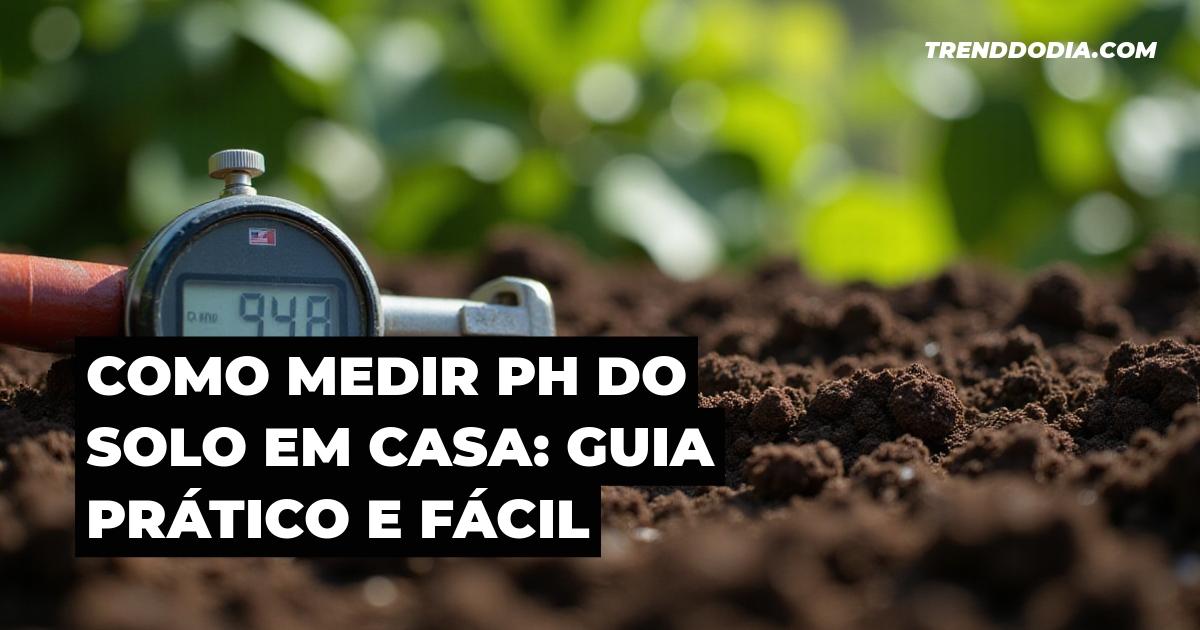
Digital meters offer accurate and fast readings, ideal for larger gardens or serious growers. They cost from R$ 50 to R$ 200 and last for years, but always clean them after use.
Example from a small producer in Minas Gerais: measures pH before planting lettuce and cabbage, standardizing it at 6.2. Some versions reach a precision of 0.01 pH, sufficient for small plots, according to Hanna Instruments in 2020.
It's worth testing frequently, but avoid relying on a single soil type. With this method, you save time on corrections, increasing productivity in your garden.
How to prepare the sample and use the correct meter.
Collect samples by mixing soil from various locations. Moisten it slightly to form a paste and insert the sensor. Turn on the device and wait for the reading to appear on the screen, then rinse with water when finished.
This method avoids inaccurate measurements on uneven terrain. Then, interpret the number and write it down. This way, you maintain accurate records for your plants.
Calibration precautions and common errors
Calibrate the meter after each use with standard solutions to maintain accuracy. Errors such as a weak battery or a dirty sensor can give false results, so check beforehand.
In tight pots, adjust the pot size with natural compost. However, use the device correctly to avoid mistakes. In this regard, follow the manufacturer's instructions to get the most out of it.
How to correct soil pH in a more sustainable way.
Correcting an acidic pH involves adding lime gradually, mixing well after application. Start with composting, as an organic fertilizer, for less environmental impact.
See a garden plot in Bahia: acidic soil improved with dolomitic limestone and an organic mixture. Beans and okra grew healthy. In Cerrado areas, soil correction is essential for productivity, says Embrapa in 2019.
Sustainable alternatives include biochar and organic matter, reducing chemicals. Allow time for the lime to work, a few weeks.
These practices link pH to ecological management, promoting biodiversity. With composting, you transform waste into fertilizer, influencing the balance. Discover methods here: home composting.
What to do when the soil is too acidic
Apply calcitic or dolomitic limestone, calculating the dose per area tested. Spread and incorporate it into the soil, waiting for a gradual effect.
In the Brazilian tropics, this reverses natural acidity quickly. Supplement with calcium-rich fertilizers for strong roots.
Precautions when the soil is too alkaline
Add sulfur or acidic organic matter, such as humified peat moss. Monitor to avoid overdoing it, maintaining a balance.
Alkaline conditions occur in sandy soils. However, gentle adjustments bring nutrients back to the plants.
Practical tips for measuring soil pH in everyday life in Brazil.
Measure pH before planting or with each change of season, adjusting it with compost and biochar for stability. This is how vegetable gardens in Rio Grande do Sul thrive.
A family from Rio Grande do Sul collects samples from their garden beds every month. They record the results in a notebook and adapt lime and compost for lettuce, tomatoes, and herbs. The result: uniform growth.
Keep records to learn local patterns. Sustain soil with biochar for nutrient retention, supplementing measurements. See guide here: How to Make Biochar at Home: A Practical Guide 2026.
How often should you measure the pH of the soil?
Measure at each change of crop or season, at least twice a year. In intensive vegetable gardens, measure monthly for monitoring.
This prevents problems like recurring acidity in Brazil. So, integrate it into your daily plant care routine.
Recommended pH values for some common crops.
Lettuce prefers a temperature of 6-6.5, while tomatoes tolerate 5.5-7. Carrots between 6-7 are ideal.
Adapt cultivation to local data. For example, paper indicates values that guide sound decisions.
You can measure soil pH at home using simple methods like vinegar, baking soda, or test strips, gaining precision with kits and digital meters. Then, correct the acidity sustainably with lime, compost, biochar, and balanced management.
Start by testing a garden bed today, write down the results, and if you have any questions, share them in the comments or with fellow gardeners. Exchange experiences to discover what works best in your region.